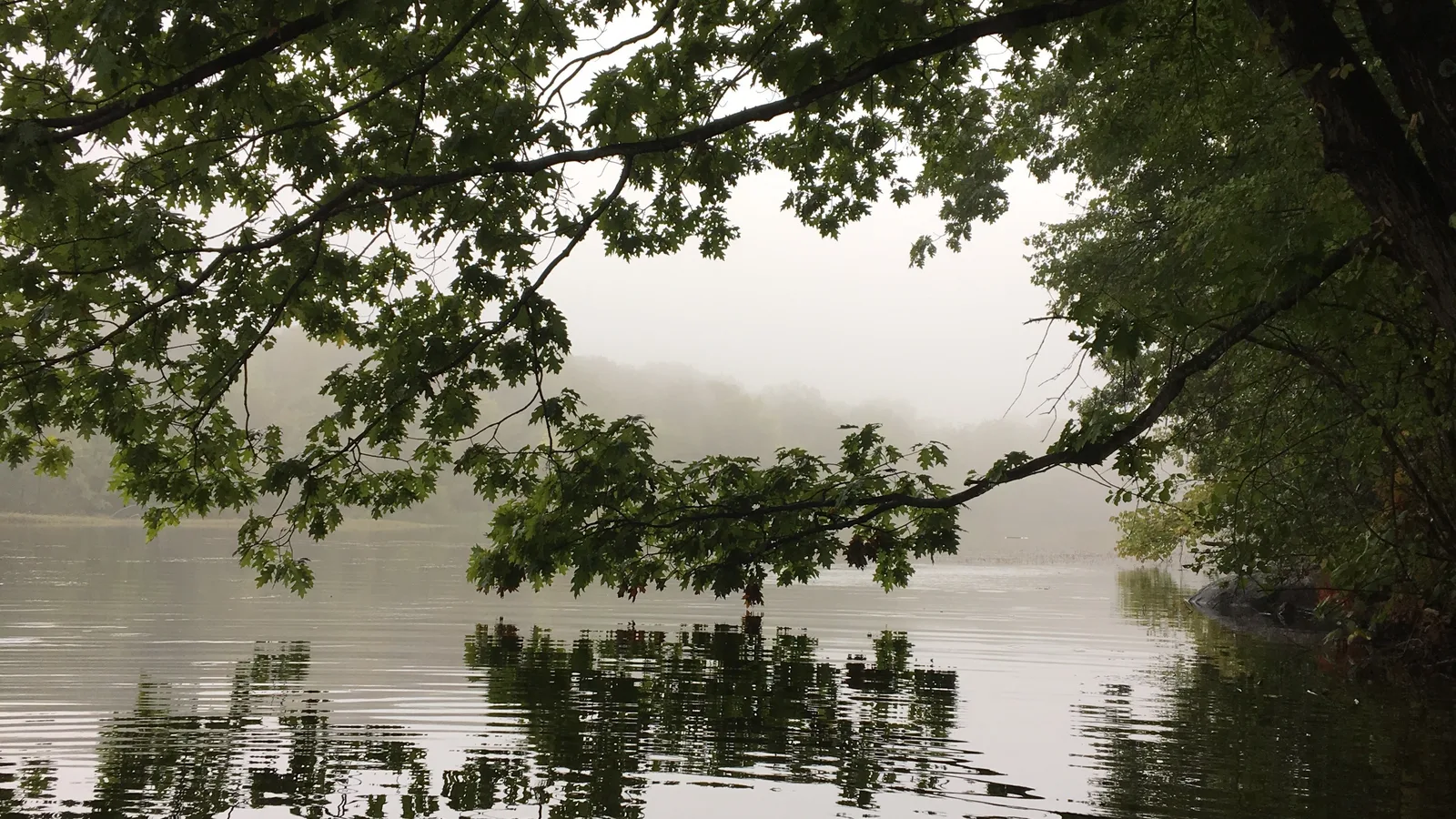
Monday, June 8, 2020, half past eleven in the morning. A park ranger at Gifford Pinchot State Park walked into a campsite that should have been empty and knew, the way you know weather coming, that something was wrong.
Site 236 had been rented for the weekend, Friday to Sunday, by two women from down near Philadelphia. Checkout had come and gone on Sunday. The site had never been cleared. And sitting there in the late-spring heat was their car, a 1998 Ford Taurus, with everything still in it — including, on the seat, the couple’s dog. The dog was dead. There was a phone in the car, too. What there wasn’t, anywhere, was the two women.
The ranger called the state police. Troopers came out, and then the search dogs from Summit Search and Rescue, and for the rest of that long Monday they worked the park — 2,238 acres of woods wrapped around a 340-acre lake in northern York County, the kind of place families go to roast marshmallows and forget the world exists. Campers watched troopers move from site to site asking questions. The search found nothing. Two women had walked into a Pennsylvania state park on a June weekend and vanished out of it.
Lauren Gallagher was 37 years old, from Broomall, in Delaware County. She’d graduated from Archbishop Carroll High School back in 2001, taken a business degree, and built herself a working life as a self-employed author — a woman who made her living with words. She was Ronald and Georgeanna Gallagher’s daughter. The woman she’d come camping with, Jolie Harris, was her partner of several years; family would later tell reporters the two sometimes referred to themselves as married. It was supposed to be a weekend. Tents, lake water, a dog along for the ride. People who love each other do this a thousand times every summer in this state, and every one of them expects to drive home on Sunday.
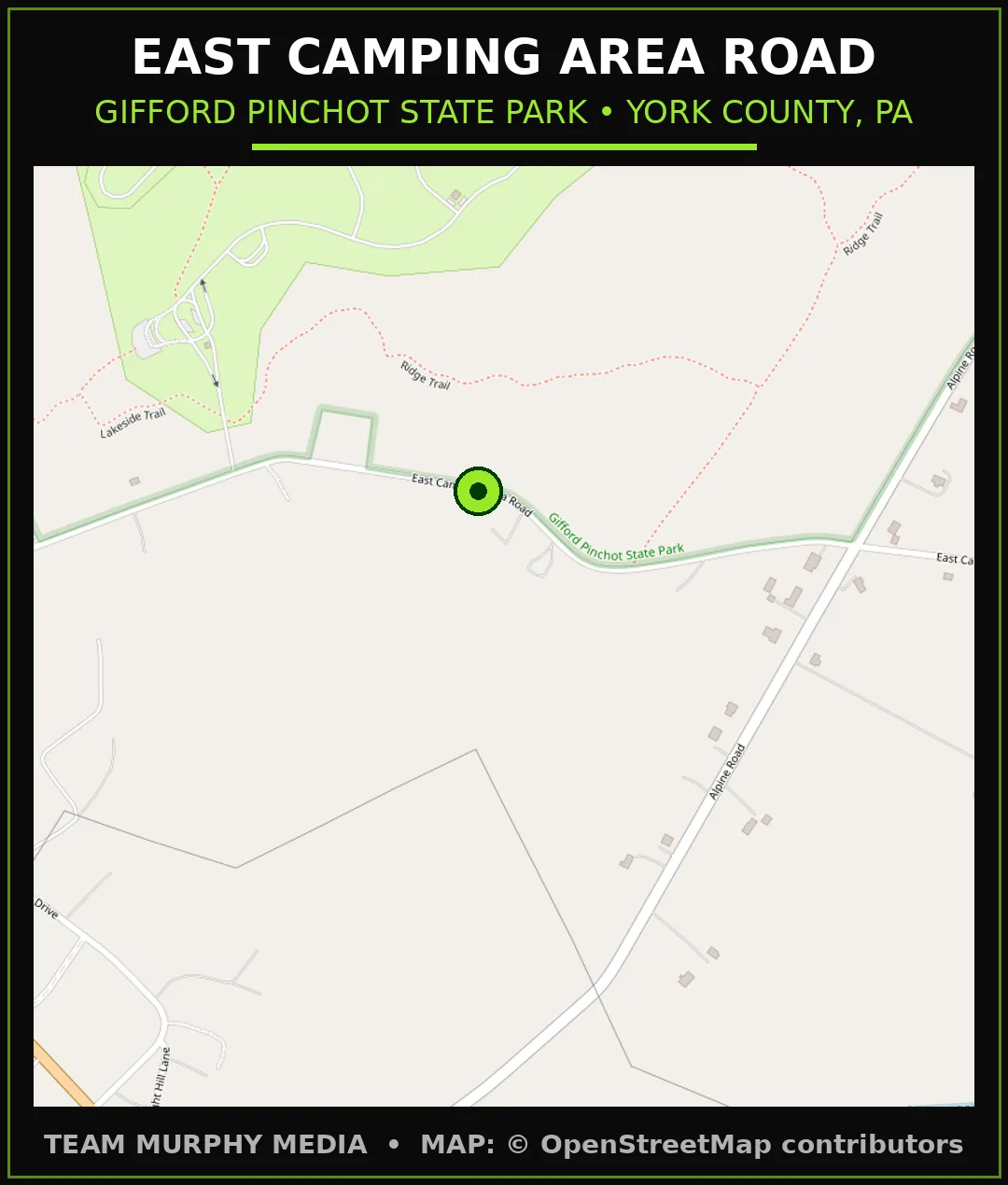
Just after 8:30 that night, with the light going, a man at a neighboring campsite found what the dogs and the troopers had missed. In a wooded patch inside the campground, in the 800 block of East Camping Area Road, there was a shape under a blanket. It looked like a body. He did what anybody would do — he called 911, and he stayed on the line. And while he was on that call, standing there in the dark with his phone to his ear, the blanket moved. A face uncovered itself. It was Jolie Harris, alive, asking for help. She told him she and Lauren had been attacked.
A few feet of Pennsylvania woods held the whole story, and it took four years to read it. Lauren Gallagher was pronounced dead where she lay. Harris went by ambulance to York Hospital saying they’d been assaulted by strangers, that she was injured and bleeding everywhere, that she could not remember the previous five days. At the hospital, the record of her injuries came out shorter than her story: scratches. A small cut. A bruise. A CT scan of her head came back clean. There was no sign of a struggle in that patch of woods, and no sign that anyone other than the two women had ever been at their campsite. What troopers did find, near where the women lay, was a razor-style utility knife with what appeared to be dried blood on it, and a black rock — possibly a geode, the kind full of crystals, unlike the rocks around it but similar to rocks in the women’s car — with hair and dried blood on it too.
The coroner kept it plain, the way coroners do. After an autopsy at Lehigh Valley Hospital, Lauren’s death was ruled a homicide, and the cause was entered as sharp force trauma to the neck. Trooper Joseph Guza of the Pennsylvania State Police wrote Harris’s account into his affidavit in four words that ended her story before it started: “a poorly contrived lie.”
Then investigators opened the phone record, and the case got its name.
On May 30, a week before the camping trip, Harris’s phone had asked the internet a question: “What percent of Murder in US is domestic violence?” On Sunday morning, June 7 — the day the women were supposed to pack up and drive home — minutes before eleven o’clock, the phone asked another: “Does antifreeze have a taste?” Less than an hour later came the third search, the one that would follow this case into every courtroom it ever entered: the location of a person’s windpipe.
Sit with those three searches for a second, because the prosecutors who built this case surely did. A question about murder statistics. A question about poison. A question about anatomy. Whatever happened in those woods happened offstage, with no witnesses and no cameras, and Lauren Gallagher carried her half of it to her grave. But her partner’s phone had kept a diary, and it had dated every entry.
Harris, 40, was arrested on June 11 and held in York County Prison without bail. On July 6, 2020, after a preliminary hearing, she was ordered to stand trial for Lauren’s killing, charged with murder in the first and third degree. And then the case went quiet in the way cases do, year stacking on year, continuances and filings, while the woman at the center of it sat in prison and the woman at the heart of it stayed buried. Lauren’s family marked four birthdays she didn’t have. The park opened and closed its seasons. Campsite 236 rented to other families, who built their fires and never knew.
The ending, when it finally came, did not come in a trial. On April 30, 2024, in a York County courtroom in front of Senior Judge Harry M. Ness, Jolie Harris pleaded guilty — and the murder charges were dismissed. In their place stood a charge most people have never heard of, one that sounds almost gentle until you read what it actually says: causing suicide as criminal homicide. Under Pennsylvania law, it means intentionally causing another person’s suicide by force, by duress, or by deception. Not an accident. Not a tragedy that simply happened to occur nearby. A death the law lays at her feet — caused, on purpose, through pressure or lies, by the person who shared her tent.
No jury ever heard the weekend tested out loud. Harris offered no public account beyond the plea itself, and none of the reporting from that day carries an explanation in her own words — only the plea, the dismissed murder counts, and the strangeness of a legal ending that manages to convict a woman of causing a death while leaving the worst questions about that weekend formally unanswered. Her phone had asked them, though. The phone had asked them in order.
On August 22, 2024, Judge Ness sentenced her to fifteen to thirty years in state prison, followed by a year of probation. She was credited with 1,533 days already served — every day since her arrest, more than four years, counted off the front of the sentence — and ordered to pay just over thirteen thousand dollars in restitution to Lauren’s family and sixty-five hundred to the state victim compensation fund. She was sent to SCI Cambridge Springs to serve it. A victim impact statement from Lauren’s side of the room went into the record that day. Its words were not published, and maybe that’s right. Some things the family got to keep.
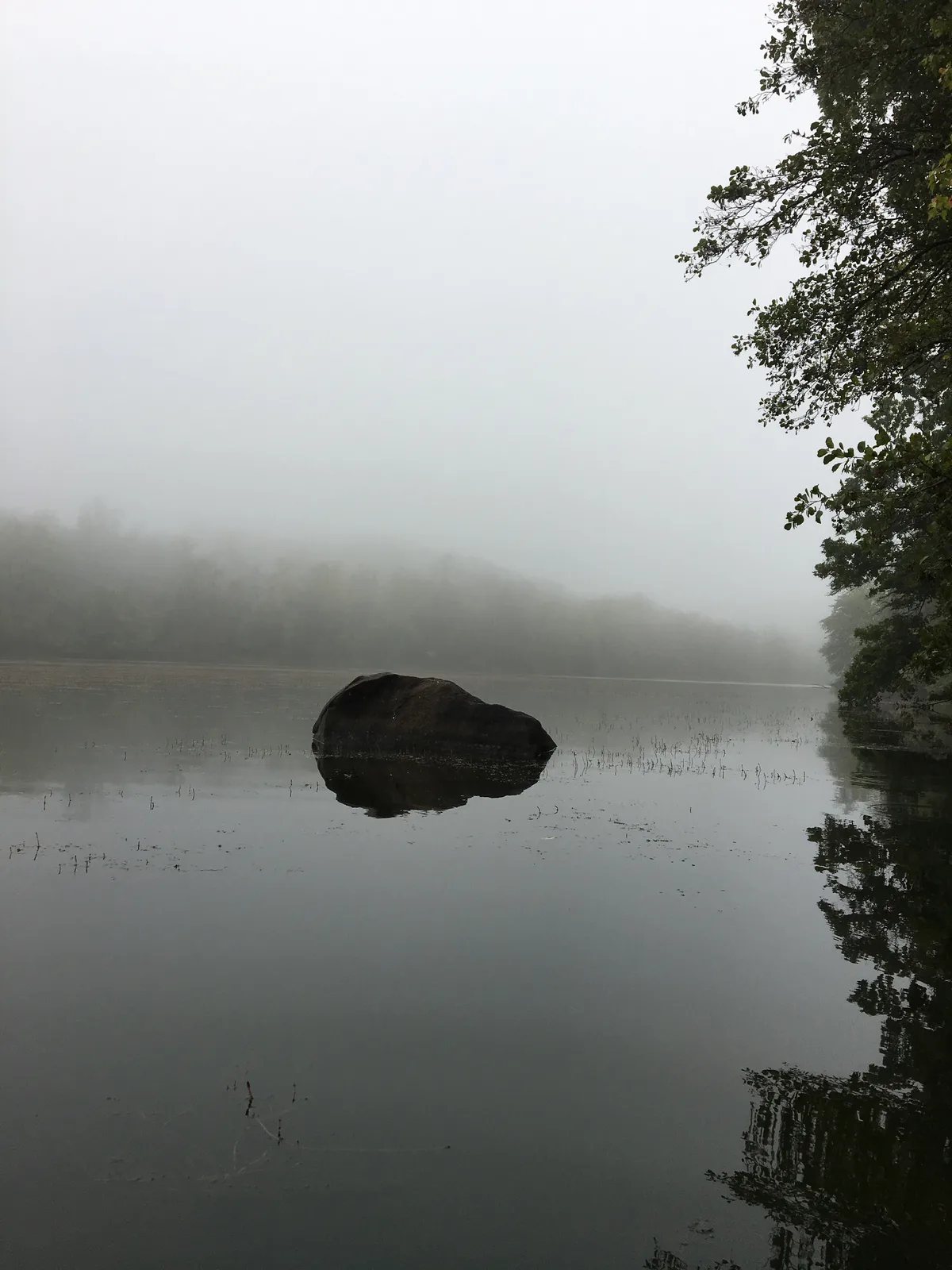
Gifford Pinchot State Park is still there, of course. The lake still goes glassy at dusk. Families still back their cars into site 236 and argue about tent poles and eat off picnic tables, the whole ordinary liturgy of a summer weekend, and there is nothing left in that patch of woods to tell them what the place has seen. Parks don’t hold grudges. They just hold everything.
What remains is a woman who should have had decades more of all of it — more books, more summers, more of the unremarkable, beautiful middle of a life. Lauren Gallagher was 37. She wrote for a living, she loved somebody she trusted, and she went camping on a June weekend in 2020 and never came home. However the law finally chose to name it, that is the whole case, and it is enough.
If you or someone you love is struggling, the Suicide and Crisis Lifeline is at 988, day or night. There is no shame in the call. There is only the call.
——
A note on where this story came from: this case reached us through “The Searches,” an episode of Park Predators from Audiochuck, hosted by Delia D’Ambra — fine work, and we’re glad to point you to it. This telling is our own, built from the original York County reporting (the York Daily Record, the York Dispatch, and PennLive) and the public court record in Commonwealth v. Jolie Danielle Harris.
Brought to you by Team Murphy Media.
If you’d like us to continue this work and keep Shop Talk Weekly subscriptions free, consider making a donation: Cash App $dj7309 · PayPal paypal.me/dj7309. Can’t donate? Like, share & subscribe — that costs nothing and means everything.