---
📰 THE DAY IN THE 302
Sunday in the 302 was a day of answers — most of them hard. 💔 Delaware State Police released the official toll from Halloween night in Ellendale: nine people shot at an outdoor party on Beach Highway, a 17-year-old girl from Seaford dead, and a homicide investigation with no suspect named. In Newark, police released the first official conditions from the Halloween-night Main Street shooting — a 15-year-old in critical condition, a 20-year-old University of Delaware student in serious condition with a collapsed lung, and one of the wounded, a 16-year-old found with a loaded gun, now charged — while the university suspended all Monday classes so students can rest, process, and find support. Just over the Maryland line in Cockeysville, a homeowner shot three masked men who approached him in his own driveway; one is dead and no charges have been announced. There was real good news, too: two names came off the Still Missing 302 board the way we want every name to come off it — found safe. Ava Hasselberger, 15, of Glen Burnie was located and reunited with her family, and Makhyi Watson, 15, of Salisbury was safely found. Fourteen names remain on the board. And Team Murphy Media launched something new: “Built By Hand. Still Working.” Episode 1, “Farming the Sky,” went live on YouTube — the story of Peru’s Sacred Valley, farmed by hand for 4,000 years, narrated in DJ’s own voice. Early voting has now ended; Election Day is Tuesday, November 3. Here is the full record.
---
💔 ELLENDALE — NINE PEOPLE SHOT AT A HALLOWEEN-NIGHT PARTY; A 17-YEAR-OLD GIRL FROM SEAFORD IS DEAD
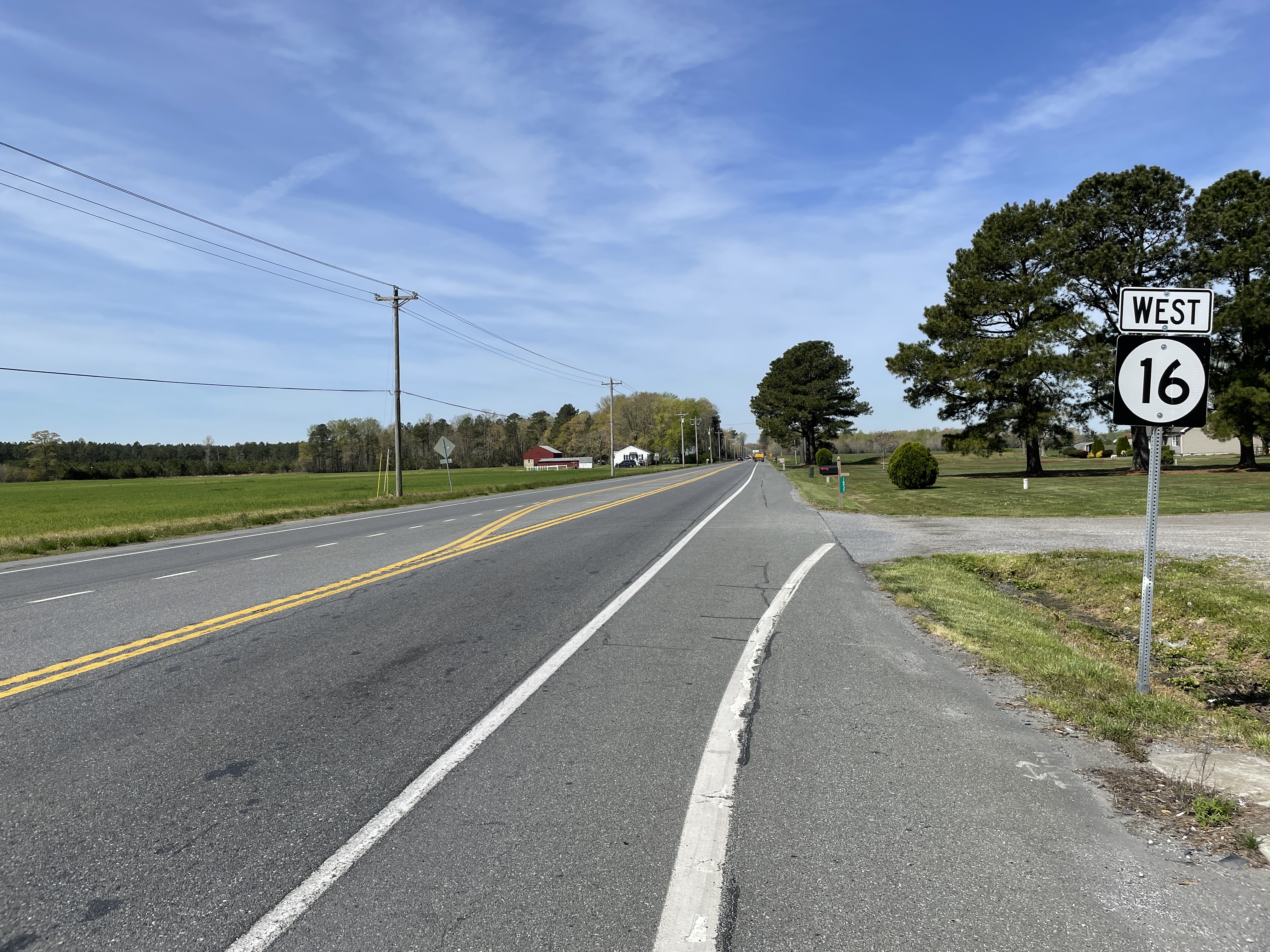
This story started late Halloween night, and this morning we told you only what police had confirmed — and promised to update you the second they said more. They have. And it is worse than anybody hoped.
Delaware State Police first put the word out just before midnight Saturday, October 31: troopers were on the scene of a shooting at North Old State Road and Beach Highway (Route 16) in Ellendale, the road was closed, the scene was still active, and folks should expect a heavy police presence for an extended stretch. At that hour, State Police had not released any information about victims or a suspect, and we said so plainly — we were not going to run scanner chatter as fact. WBOC also reported the shooting Saturday night.
At 1:45 p.m. today, State Police released the official account. Around 10:00 p.m. Saturday, during an outdoor party in the 18000 block of Beach Highway in Ellendale, an unknown suspect opened fire from a neighboring property into the crowd.
Nine people were hit:
• A 17-year-old girl from Seaford died at the hospital. Her name is being withheld until her family is notified.
• A 20-year-old man from Seaford was in life-threatening condition, listed as stable.
• Seven more were hurt, none with life-threatening injuries: two 17-year-old boys from Selbyville, a 19-year-old woman from Ellendale, a 20-year-old woman from Seaford, a 20-year-old woman from Greenwood, a 20-year-old man from Seaford, and a 22-year-old woman from Laurel.
The Delaware State Police Homicide Unit is investigating. No suspect has been named. 🚓
Somebody at that party — or on that road — saw something. If that somebody is you: Detective B. McDerby at (302) 741-2821, or Delaware Crime Stoppers at (800) 847-3333. Victims and families who need support can reach Delaware Victim Services at 1-800-VICTIM-1.
Delaware Online reported the same State Police facts today. When State Police name a suspect or release more, we will update this story.
Our hearts are with that young lady’s family tonight, and with every family that got a phone call no one should ever get. 🕯️
Sources: Delaware State Police, official Facebook post October 31, 2026, 11:56 p.m., and official release November 1, 2026, 1:45 p.m.; Delaware Online, November 1, 2026; WBOC, October 31–November 1, 2026.
---
🚨 NEWARK — SIX PEOPLE SHOT ON MAIN STREET ON HALLOWEEN NIGHT; A 15-YEAR-OLD IS CRITICAL, A WOUNDED 16-YEAR-OLD IS CHARGED, AND UD SUSPENDS MONDAY CLASSES
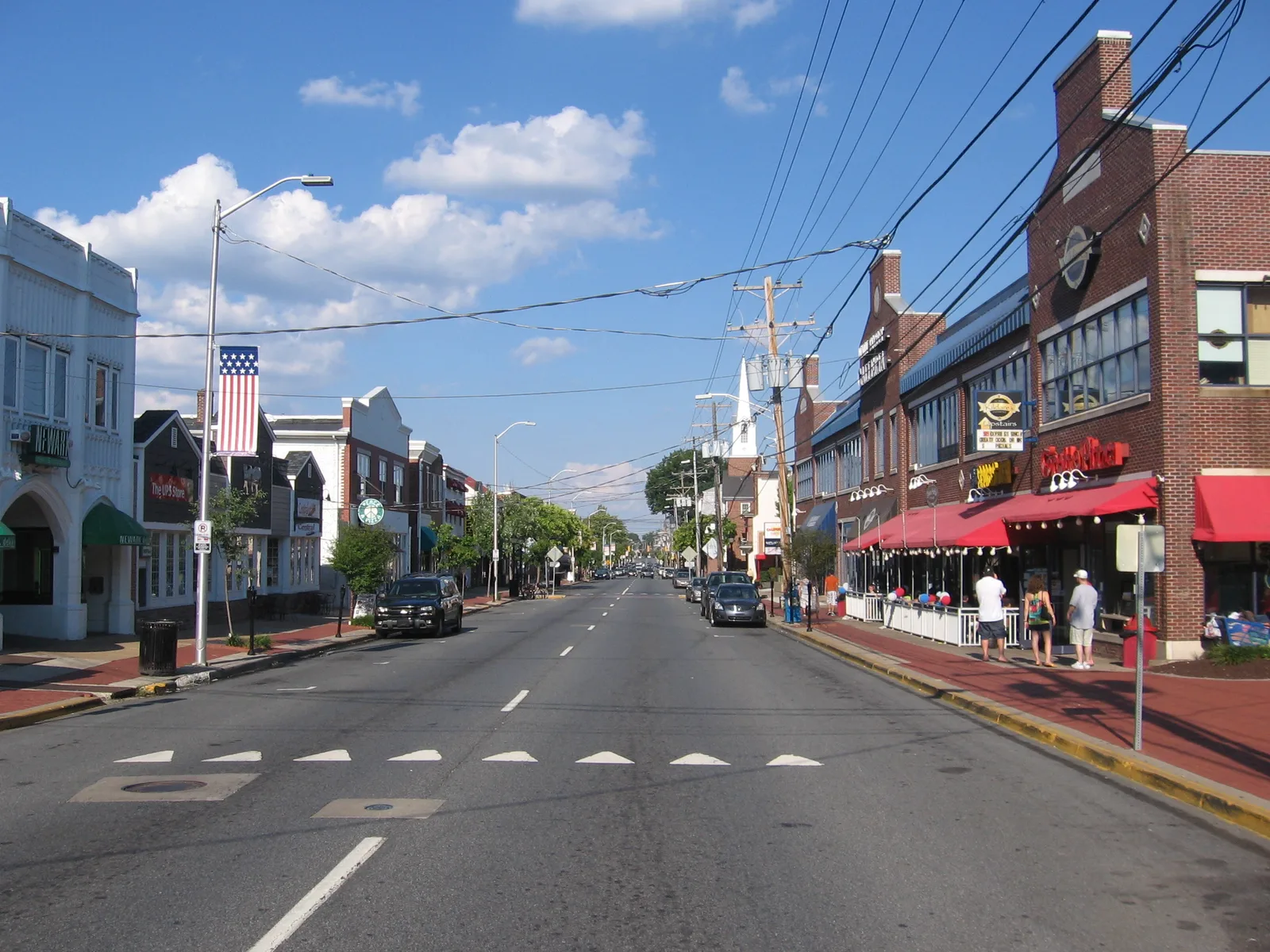
Halloween night ended in gunfire in downtown Newark. Newark Police say six people were shot around 11:13 p.m. Saturday, October 31, on the south sidewalk of East Main Street, directly across from Choate Street, in the middle of the Halloween crowds.
All six were taken to local hospitals. Main Street was closed about five hours overnight and has reopened. Newark Police, University of Delaware Police, and Delaware State Police all responded. Police said there does not appear to be an ongoing threat to public safety.
This afternoon and evening, police released the first official word on how the six are doing — and there is a lot in it. 📋
A 15-year-old shot in the back is in critical condition. A 21-year-old woman who suffered a graze wound has been treated and released. The remaining victims are in serious condition — including a 20-year-old man with a collapsed lung who, police confirmed in a second update tonight, is a University of Delaware student. He is still admitted tonight.
One of the wounded is now facing charges of his own. Police say a 16-year-old from the Wilmington area was found with a loaded firearm and has been charged with possession of a firearm by a person under 21, carrying a concealed deadly weapon, and breach of release. His bail was set at $60,100 cash, and he remains hospitalized in Newark Police custody.
Read that carefully: police have NOT said the 16-year-old fired the gun, and they have not named who did. That part of this story is still open — and so is the biggest question: who shot six people on Main Street.
The shooting has also shut down a university for a day. In a letter to the university community today, UD President Laura Carlson, Interim Provost Bill Farquhar, and Ellen Herbst announced that all classes are suspended Monday, November 2 — a day for students, faculty, and staff to rest, process what happened, and connect with support. 🎓
The university was clear about one thing: this is NOT a safety decision. Newark Police report no ongoing threat to public safety, and the campus is not closed. Dining halls and campus services stay open.
If you are a student carrying this heavy, you do not have to carry it alone: counseling walk-in support at Warner Hall, Monday 9 a.m.–4 p.m., and TimelyCare available 24/7. UD was already closed Tuesday for Election Day, so classes resume Wednesday, November 4.
WDEL and Delaware Online both reported the university’s announcement, and Delaware Online and NBC10 Philadelphia carried the police condition and charges updates as well.
If you saw anything on Main Street that night, call Detective Paige Klein at 302-366-7100 ext. 3480.
Keep that 15-year-old in your thoughts tonight. 🙏
Sources: Newark Police release and Updates #1, #2 (November 1, 2026, 5:13 p.m.) and #3 (November 1, 2026, 6:26 p.m.); University of Delaware letter to its community, November 1, 2026; Delaware Online; UD Review; NBC10 Philadelphia; WDEL.
---
🏠 COCKEYSVILLE, MARYLAND — A HOMEOWNER SHOOTS THREE MASKED MEN IN HIS OWN DRIVEWAY; ONE IS DEAD

This happened Saturday night — Halloween — just over the line in Baltimore County, Maryland, and county police confirmed the details today.
Around 10:40 p.m. Saturday, October 31, a man was sitting in his driveway in the 10000 block of Greenside Drive in Cockeysville when, according to Baltimore County Police, three masked men approached and threatened him. One of them was armed with a handgun.
The resident fired. Then he called 911 himself. 📞
One of the men was found dead nearby. Police identified him as Amon Walker, 20. The other two men later turned up at local hospitals with gunshot wounds. Police recovered a loaded handgun they say belonged to the men who approached him.
Where it stands tonight: police say there is no active threat, the county Homicide Unit is investigating, and no charges have been announced. The homeowner and the two surviving men have not been identified.
The Baltimore Banner and BCo Breaking News both carried the county police account today. If Baltimore County Police announce charges or release more, we will follow it.
A man sitting in his own driveway on Halloween night. That is the whole story — and it is enough.
Sources: Baltimore County Police release, as carried by the Baltimore Banner (published November 1, 2026, 1:20 p.m., updated 3:43 p.m.) and BCo Breaking News (November 1, 2026, 11:32 a.m.).
---
🌄 FARMING THE SKY — PERU’S SACRED VALLEY, FARMED FOR 4,000 YEARS | BUILT BY HAND. STILL WORKING. EP. 1
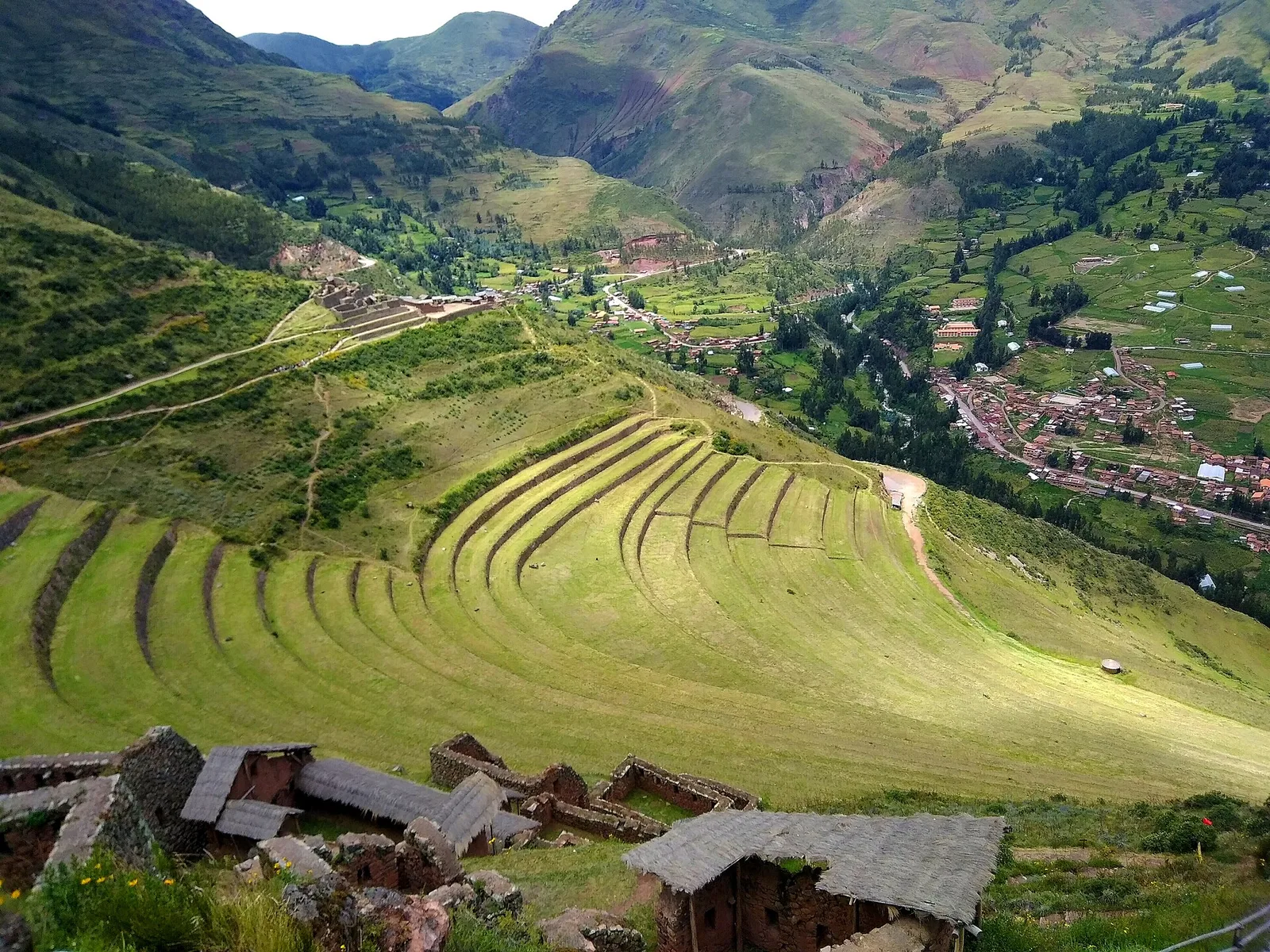
Today Team Murphy Media published Episode 1 of a new series, “Built By Hand. Still Working.” — live and public on the Team Murphy Media YouTube channel, narrated in DJ’s own voice, under DJ’s final title: “Farming the Sky — Peru’s Sacred Valley, Farmed for 4,000 Years.” 🎬 This is the full story behind the episode.
It started with a picture on a laptop: green terraces poured down a mountainside in Peru’s Sacred Valley, above a town called Pisac. The caption said farmland has been carved out of that landscape for thousands of years, and much of the valley is still farmed today. It is true — and “thousands” is doing a lot of work in that sentence. People were terracing these hills around 2000 BC, some 4,000 years ago, when the pyramids of Egypt were already centuries old. The Wari empire later built terraces at scale, and the Inca took the system to its peak: an estimated one million hectares — about 2.5 million acres — of hand-built farm steps, feeding something like 10 million people. No machines. No wheels. Stone, dirt, and backs.
The terraces are called andenes, and if you cut one open, it reads like an engineer’s drawing. You start by digging a foundation about a yard deep. Then you raise a stone retaining wall that stands maybe six feet proud of the slope. Behind the wall goes roughly a yard of big rubble, then a yard of sand and gravel, then a yard of topsoil on top — and that topsoil was often hauled up the mountain from the fertile valley floor, basket by basket, by hand. 🧺
Every layer earns its keep. The wall is a heater: stone drinks in the sun all day and bleeds the heat back into the soil all night — exactly when the mountain frost comes calling. That one trick dragged corn, a warm-country crop, up to about 11,500 feet, nearly a thousand feet higher than corn has any business growing. The wall is also a drain: the gravel core works like a giant French drain, so storm water moves through instead of washing the farm away. The stones are dry-laid, full of small gaps, and the walls lean slightly inward — so when the ground shakes, and it shakes up there, the wall flexes instead of cracking. Some of these walls have stood through five centuries of earthquakes.
And the water is managed like everything else. In dry country, canals carry snowmelt down from the high peaks, and the water is let loose on the top terrace first. The overflow irrigates the step below, and the step below that — one drink of water, shared down the whole staircase. Farmers hedge their bets, too: a family might work as many as 30 scattered plots at different heights, so one bad frost never wipes out the year.
Here is the part that does not show in the photograph. A terrace is not a thing you build once. It is a thing a village agrees to keep building, forever. That agreement has a name: mink’a, an Inca tradition of communal work older than the empire itself. When a wall slumps or a canal silts up, the community turns out together — unpaid, bound by ayni, the old rule of reciprocity: I work your wall today, you work mine tomorrow. That system built the canals of whole valleys under the Inca, and it is still how things get fixed in the highlands. The terraces standing today are not just Inca engineering. They are 500 years of neighbors showing up. 🤝
The terraces in the picture, at Pisac, are the largest complex in the Sacred Valley. And they are not a ruin in the dead sense of the word. People still plant them.
A few hours south, in the Arequipa region, the same idea climbs the walls of the Colca Canyon, one of the deepest canyons on Earth. There the terraces are older than the Inca by centuries, built by the Collagua and Cabana peoples, and their steps run narrow — the planting surface averages only about ten feet wide, a green ribbon pinned to a cliff. They are still planted today with quinoa, corn, and potatoes. Even the canyon’s name is a farm word: colca comes from the little stone granaries its people built into the cliffs to hold the harvest.
Then there is Moray. Moray looks like a green amphitheater somebody dropped into the earth — three bowls of concentric rings cut into natural sinkholes, the biggest about 100 feet deep with a dozen-plus levels running down to a flat green floor. Measurements taken decades ago found as much as 27 degrees Fahrenheit of difference between the rim and the bottom. The leading theory — and honest folks will tell you it is a theory, not a proven fact — is that Moray was a crop laboratory. Plant something at the top in familiar conditions, walk it down one ring at a time, teach it to live colder and higher, then send the seed out across an empire. Soil samples show dirt was even hauled in from different regions for different rings. Modern engineers who have re-measured the place think the everyday temperature gap is smaller than the famous number. But here is the part nobody argues with: after five centuries, the bottom of that bowl still does not flood when it rains. The drains still work.
And then there are the terraces that grow salt. At Maras, not far from Moray, a warm spring comes out of the mountain tasting of the sea — the water picks up its salt passing through ancient deposits underground — and for well over a thousand years, people have been catching it in terraces. Some 4,500 salt wells step down the slope, shallow pans about five square meters each, fed by one main channel that branches into smaller and smaller runs. A family fills its pans a few centimeters deep and lets the sun drink the water off — three days a fill, fill after fill for a month, until the salt stands inches deep and can be broken out by hand. The top layer is kitchen salt; below it, bulk salt; the bottom goes to industry and livestock. In the dry season the salt comes out white or pink — Maras pink salt now ends up on tables all over the world. Today about 400 families own the wells, run through a company the villages of Maras and Pichingoto set up in 1980 to keep the salt in local hands. A pan passes down inside a family, and if one is ever sold, it can only be sold to a neighbor. Salt was harvested here before the Inca — pottery found at Maras dates to around 700 BC. 🧂
This valley is also where the potato comes from. The potato was domesticated near Lake Titicaca somewhere between 7,000 and 10,000 years ago, and Peru still grows some 3,000 native varieties of it — 4,000-plus across the Andes. Just outside Pisac, six Quechua communities — Amaru, Pampallacta, Chahuaytire, Sacaca, Paru Paru, and Cuyo Grande — have pooled more than 9,000 hectares of their mountain into a place called the Potato Park, run by some 7,000 people. By their own traditional count, they sustain some 1,345 potato varieties in those fields. And here is a story inside the story: in the 1960s, scientists from the International Potato Center in Lima collected varieties from these villages for safekeeping — and over the years, some of those varieties died out in the villages themselves. In 2004, under an agreement that bars anybody from patenting what comes home, the center repatriated 410 varieties to the park — seeds coming back down the mountain to the grandchildren of the people who first grew them. In 2015, Potato Park farmers carried their seed to the Svalbard vault in the Arctic — the first time a community, rather than a gene bank, ever made that deposit. They are not keeping a museum. They are keeping a pantry. 🥔
These farmers even turned the frost into a tool. Chuño is a potato left out to freeze in the night cold, then dried under the day sun, over and over — freeze-dried by hand centuries before the word existed. It keeps for years, and it stocked the stone granaries called qollqas. And the valley grows a white corn, choclo, with kernels the size of a quarter, that will not grow right anywhere else on Earth.
Ollantaytambo deserves its own minute. In the mid-1400s it was the royal estate of the emperor Pachacuti, who rebuilt the town and its great terraces above the river. The town still follows the Inca plan — long streets crossed by parallel streets — and people live in those Inca houses today, which makes them some of the oldest continuously occupied dwellings in South America. The water still runs along the streets in the same channels, the way it has for five and a half centuries. On the hill across the river, the qollqas stand in rows where the wind kept the harvest dry: chuño, maize, quinoa — the empire’s savings account, kept in stone. This was not a monument. It was a working town, and on the evidence, it never entirely stopped working.
But here is the honest part, and it comes in chapters. The first abandonment was not laziness; it was catastrophe. After the Spanish conquest, disease emptied the highlands, and the colonial authorities forcibly moved people down to flatter land that was easier to rule. The Spanish also brought oxen and plows — and neither one can climb a three-yard-wide step. Terraces fell out of use by the valley-full. Some came back in the 1800s, but by the late twentieth century an estimated 60 to 80 percent of the andenes had fallen out of cultivation. The modern chapter is quieter: the work is heavy, the plots are small, and a young person can make easier money in the cities, or off the tourists, than behind a hand plow at 11,000 feet. A terrace does not fail all at once. It fails one unrepaired wall at a time — and remember whose job the repairs are. When the village empties, the mink’a empties with it.
And yet. Since 1977, an outfit called the Cusichaca Trust — founded by the archaeologist Ann Kendall and carried on with Peruvian partners — has been doing the opposite math: learn exactly how the old system worked, then rebuild it with the people who live there. In the Patacancha valley, up above Ollantaytambo, they restored an Inca canal and brought 160 hectares of dead terraces back under irrigation for some 350 families. Across three regions, the work adds up to roughly 600 hectares of terraces and 30 kilometers of canals restored — and when the Patacancha terraces came back, something else did too: farming families who had left for Cusco and Lima came home to claim their land. The walls were rebuilt the old way, by communal labor, with simple tools. Four thousand years in, the newest chapter of the terraces is being written with the oldest method there is: everybody shows up, and nobody sends a bill.
Next time your computer shows you a pretty picture, look twice. Somebody built that. By hand. One basket of dirt at a time. 🌄
Photos (via Wikimedia Commons): Pisac terraces — Galleta322 (CC BY-SA 4.0), Dennis G. Jarvis (CC BY-SA 2.0) · Moray — Jay Galvin, Laslovarga (CC BY-SA 4.0) · Maras salt pans — Diego Delso (CC BY-SA 4.0) · Colca terraces — Draceane (CC BY-SA 4.0) · Ollantaytambo granaries — Stevage (CC BY-SA 3.0) · native potatoes — Cathetovar (CC BY 4.0) · maize — Rod Waddington (CC BY-SA 2.0) · chuño — Eric in SF (CC BY-SA 3.0) · potato harvest — CLAUDIOLD (CC BY-SA 4.0). Facts: Wikipedia’s surveys of andén engineering, the Maras salt mines, Ollantaytambo, and mink’a; CIP and IIED on the Potato Park; Cusichaca Trust restoration reporting — with debated points flagged in the story itself.
Source: Team Murphy Media, “Farming the Sky” full story file, November 1, 2026, and the Episode 1 Facebook post, November 1, 2026.
---
🕯️ STILL MISSING 302 — THE BRING-THEM-HOME BOARD
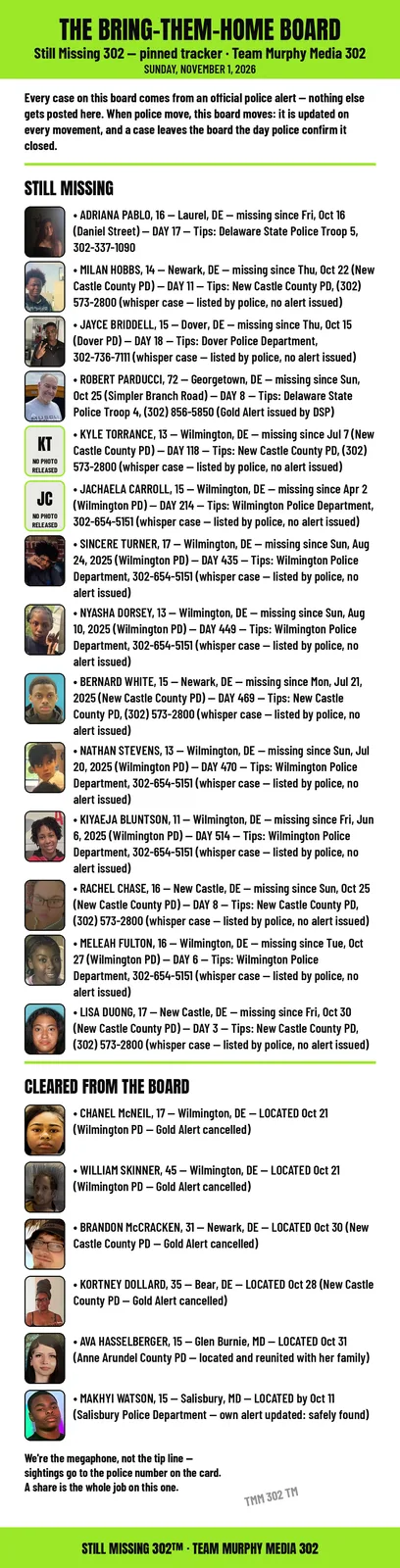
Two names came off this board today — both found safe, both the outcome this board exists for. 💚
FOUND — AVA HASSELBERGER, 15, GLEN BURNIE, MD. Anne Arundel County Police confirm Ava has been located and reunited with her family, in a police update Saturday night, October 31. Ava was last seen Friday, October 30, about 9:30 p.m. in Glen Burnie, wearing a white t-shirt and black sweatpants. She spent two days on this board — and now she comes off it the way we want every name to come off it: found.
FOUND — MAKHYI WATSON, 15, SALISBURY, MD. Salisbury Police have updated their own alert: Makhyi has been safely found. Makhyi was last seen September 13 in the area of Onley Road in Salisbury, wearing a black graphic t-shirt and gray sweatpants, and was critically missing due to health concerns. The update carries no date — the case’s national flyer was marked FOUND SAFE on October 11 — but the part that matters is certain: he spent fifty days on this board, and now he comes off it: found.
Thank you to everyone who shared, looked, and called. This is the board working.
Fourteen names remain on the board tonight. Every name carries a face — faces stop the scroll and get recognized. Two of the fourteen — Kyle Torrance and Jachaela Carroll — have no released photo: they carry a NO PHOTO RELEASED marker. No invented faces, ever. Day counts below count the vanished day as Day 1.
• ADRIANA PABLO, 16 — Laurel, DE — missing since Friday, October 16 (Daniel Street) — Day 17 — Tips: Delaware State Police Troop 5, 302-337-1090
• MILAN HOBBS, 14 — Newark, DE — missing since Thursday, October 22 — Day 11 — Tips: New Castle County PD, (302) 573-2800 (whisper case — listed by police, no alert issued)
• JAYCE BRIDDELL, 15 — Dover, DE — missing since Thursday, October 15 — Day 18 — Tips: Dover Police Department, 302-736-7111 (whisper case — listed by police, no alert issued)
• ROBERT PARDUCCI, 72 — Georgetown, DE — missing since Sunday, October 25 (Simpler Branch Road) — Day 8 — Tips: Delaware State Police Troop 4, (302) 856-5850 (Gold Alert issued by DSP)
• KYLE TORRANCE, 13 — Wilmington, DE — missing since July 7 — Day 118 — Tips: New Castle County PD, (302) 573-2800 (whisper case — listed by police, no alert issued)
• JACHAELA CARROLL, 15 — Wilmington, DE — missing since April 2 — Day 214 — Tips: Wilmington Police Department, 302-654-5151 (whisper case — listed by police, no alert issued)
• SINCERE TURNER, 17 — Wilmington, DE — missing since Sunday, August 24, 2025 — Day 435 — Tips: Wilmington Police Department, 302-654-5151 (whisper case — listed by police, no alert issued)
• NYASHA DORSEY, 13 — Wilmington, DE — missing since Sunday, August 10, 2025 — Day 449 — Tips: Wilmington Police Department, 302-654-5151 (whisper case — listed by police, no alert issued)
• BERNARD WHITE, 15 — Newark, DE — missing since Monday, July 21, 2025 — Day 469 — Tips: New Castle County PD, (302) 573-2800 (whisper case — listed by police, no alert issued)
• NATHAN STEVENS, 13 — Wilmington, DE — missing since Sunday, July 20, 2025 — Day 470 — Tips: Wilmington Police Department, 302-654-5151 (whisper case — listed by police, no alert issued)
• KIYAEJA BLUNTSON, 11 — Wilmington, DE — missing since Friday, June 6, 2025 — Day 514 — Tips: Wilmington Police Department, 302-654-5151 (whisper case — listed by police, no alert issued)
• RACHEL CHASE, 16 — New Castle, DE — missing since Sunday, October 25 — Day 8 — Tips: New Castle County PD, (302) 573-2800 (whisper case — listed by police, no alert issued)
• MELEAH FULTON, 16 — Wilmington, DE — missing since Tuesday, October 27 — Day 6 — Tips: Wilmington Police Department, 302-654-5151 (whisper case — listed by police, no alert issued)
• LISA DUONG, 17 — New Castle, DE — missing since Friday, October 30 — Day 3 — Tips: New Castle County PD, (302) 573-2800 (whisper case — listed by police, no alert issued)
None leaves this board until police close the case. Every case comes from an official record. Seen something? Call the agency on the case, or Delaware Crime Stoppers: 1-800-TIP-3333.
We are the megaphone, not the tip line. A share is the whole job. 📣
Sources: Still Missing 302 tracker and board v14, November 1, 2026; Anne Arundel County Police (Hasselberger located); Salisbury Police (Watson safely found).
---
That’s the record for Sunday, November 1, 2026 — nine shot in Ellendale with a 17-year-old gone, six shot in Newark with a 15-year-old fighting, a driveway shooting in Cockeysville, two kids found safe and home, and a 4,000-year-old farm in Peru that never really closed. Thank you for reading, for sharing, and for keeping your eyes open for the fourteen names above. 📰
Donations keep this work free: Cash App $dj7309 · PayPal paypal.me/dj7309
— Team Murphy Media 302 · Shop Talk Weekly